
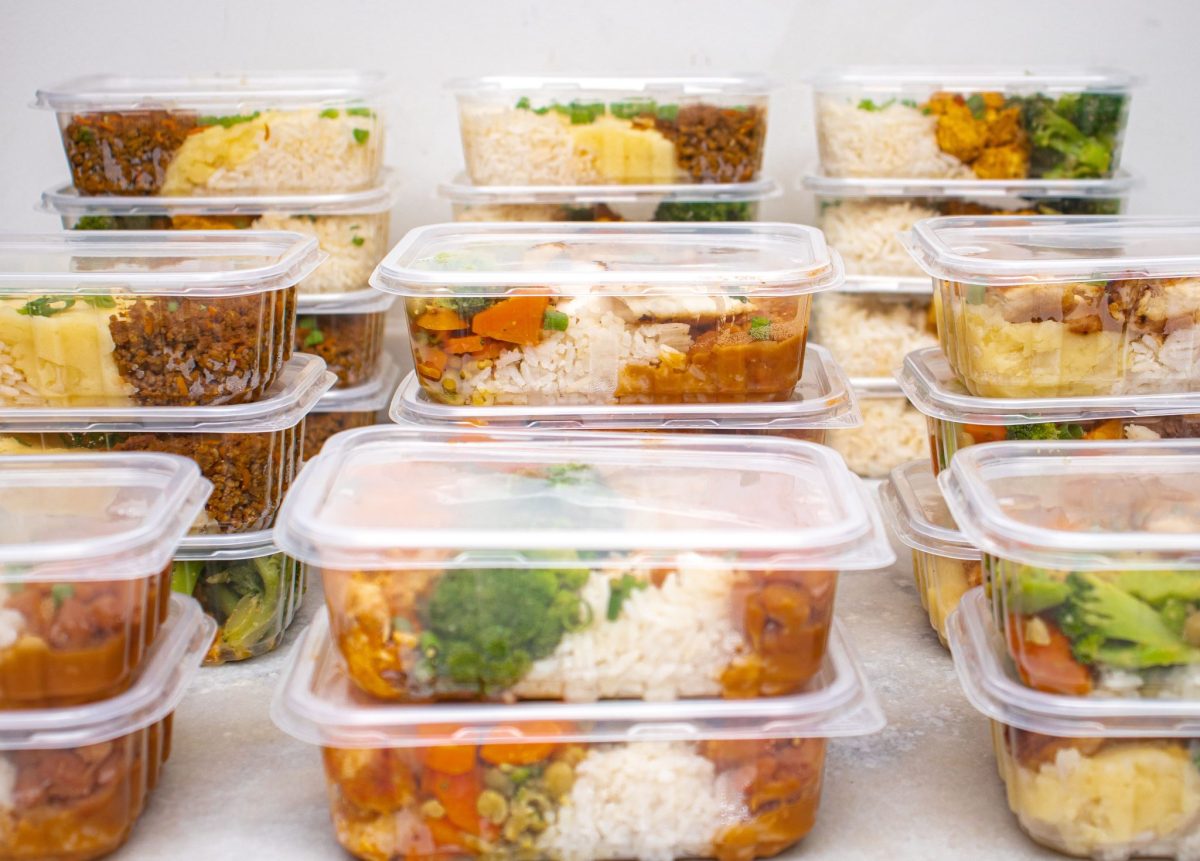
Good food starts before it hits the pan. If you cook mostly from whole ingredients, you already check freshness, texture, smell, and storage dates. Packaging deserves the same attention. This article explains how everyday food packaging protects ingredients, where it falls short, and what home cooks can do to keep food tasting better for longer.
Packaging is part of the freshness system
Food packaging has one main job: slow down the things that make food spoil. Air, moisture, light, heat, and physical damage all change ingredients over time. A bag of almonds, a carton of greens, and a tray of chicken each need a different kind of protection.
Dry goods usually need barriers against moisture and oxygen. That’s why nuts, jerky, dried fruit, protein powders, and grain-free baking mixes often come in sealed pouches or lined bags. Once air gets in, fats can turn stale faster, and crisp foods can soften.
Fresh foods have different needs. Salad greens need some airflow so they don’t break down into a wet mess. Meat needs packaging that limits leakage and keeps the product protected until you cook or freeze it. Good packaging doesn’t make food last forever, but it can buy you time and reduce waste when you store things properly.
The small packaging details that matter
Most people notice the container first: glass jar, plastic tub, paper carton, vacuum pack, or resealable pouch. The smaller parts matter too. Seals, closures, labels, liners, and adhesives for packaging all help keep a package intact from production to your kitchen.
Think about a bag of roasted nuts. If the seal fails, the product may still look fine at first, but it has already been exposed to more air. That can affect flavor before you see obvious signs of spoilage. The same goes for freezer bags that don’t close tightly. A tiny gap can lead to ice crystals and freezer burn.
Labels also do more than carry branding. They hold storage instructions, lot codes, allergen information, and use-by dates. If a label peels off in the fridge or freezer, you lose information that helps you decide what to cook first.
What food-contact packaging means for you
Not every part of packaging is meant to touch food directly. Some components are outside the food-contact layer, while others may be part of the material that surrounds the food. The U.S. Food and Drug Administration explains that food contact substances can include packaging and its components, as well as materials used on packaging surfaces such as adhesives and colorants, depending on their use in the package FDA food packaging information for consumers.
For a home cook, the practical takeaway is simple: use packaging the way it was intended. Don’t microwave food in containers unless the package says it is safe for that use. Don’t reuse thin takeout containers for long-term freezer storage. Don’t assume a decorative paper wrap belongs in direct contact with hot or oily food.
Heat is especially important. Warm food can interact with packaging differently than cold food. If you’re storing leftovers, let steam escape before sealing the container, then refrigerate once the food is ready to store safely. That helps reduce condensation, which can make crisp foods soggy and shorten the useful life of cooked meals.
How to store packaged foods better at home
The best packaging still needs good habits behind it. Once you open a package, the original protection changes. A resealable pouch helps, but it only works if you press out extra air and close it fully.
For pantry items, move opened nuts, seeds, coconut flour, jerky, or dried fruit into airtight containers if the original package doesn’t seal well. Keep them away from heat and sunlight. A cabinet near the stove may be convenient, but it’s usually not the best place for oil-rich foods.
For freezer storage, use packaging designed for freezing. Thin sandwich bags are fine for short fridge storage, but they don’t protect food well in the freezer. For cooked meat, broth, sauces, or prepped vegetables, leave a little room for expansion, remove extra air, and label the date before freezing.
For fresh produce, don’t treat every ingredient the same. Mushrooms often do better in breathable packaging than in sealed plastic. Washed greens need moisture control, but too much trapped water speeds breakdown. Herbs can last longer when wrapped lightly and stored with just enough moisture to prevent wilting.
Don’t let packaging replace your senses
Dates and packaging are useful, but they don’t replace judgment. A sealed package can still be mishandled before it reaches your home. An opened package can also be perfectly usable after a date if the food was stored well and shows no signs of spoilage.
Look for changes in smell, texture, color, and package condition. Bulging containers, broken seals, leaks, unusual odors, mold, or slimy texture are all reasons to be cautious. When in doubt, don’t try to rescue questionable food with extra seasoning or longer cooking.
Good packaging supports good cooking, but it’s only one part of the system. Buy what you can use, store it with intention, and pay attention after opening. The reward is simple: better-tasting ingredients, less waste, and fewer surprises when it’s time to cook.
Want to unlock greater wellness?
Listen to our friends over at the Wellness + Wisdom Podcast to unlock your best self with Dr. John Lieurance; Founder of MitoZen; creators of the ZEN Spray and Lumetol Blue™ Bars with Methylene Blue.
Comments are closed, but trackbacks and pingbacks are open.