
Paleo meal prep is built around simple, quality ingredients: fresh proteins, vegetables, healthy fats, and meals prepared with intention. But even with the best ingredients, one common challenge remains—getting consistent results every time.
A recipe may say “bake chicken for 25 minutes” or “roast vegetables for 40 minutes,” but cooking time is only an estimate. The actual result can change depending on the size of the food, starting temperature, cooking equipment, and even how much food is in the pan.
One batch of chicken may turn out juicy and tender. Another may become dry and difficult to enjoy as leftovers.
The solution is simple:cook to temperature, not just time.
By monitoring internal temperature, you can know when food reaches the right point for safety, texture, and flavor. For Paleo meal prep, where proteins are often the foundation of every meal, temperature-based cooking can make weekly preparation more reliable and enjoyable.
Why Time-Based Cooking Falls Short for Paleo Meal Prep
Many home cooks still rely on cooking time because it feels straightforward. Set the timer, wait, and hope the food turns out right.
The problem is that food does not always cook the same way twice.
A thick chicken breast needs more time than a thin one. A cold steak straight from the refrigerator cooks differently from one that has warmed slightly. A crowded oven tray changes airflow and heat distribution. Even different ovens, grills, and air fryers can produce different results with the same recipe.
This matters even more during meal prep.
Many Paleo meals rely on protein-rich foods such as:
- Chicken
- Beef
- Pork
- Fish
- Eggs
- Turkey
When these foods are overcooked, they can become dry and less enjoyable several days later. When they are undercooked, food safety becomes a concern.
Temperature provides a more reliable way to judge doneness.
Instead of asking:
“How long has this been cooking?”
you can ask:
“Has this reached the temperature I need?”
For example, poultry is commonly cooked to165°F (74°C) for safety, while many people prefer steak around130–135°F (54–57°C) for medium-rare. The exact target depends on the food and personal preference, but the principle remains the same: temperature tells you what is happening inside the food.
How Typhur Makes Temperature-Based Cooking Easier
Typhur focuses on precision cooking tools designed to help home cooks get more consistent results.
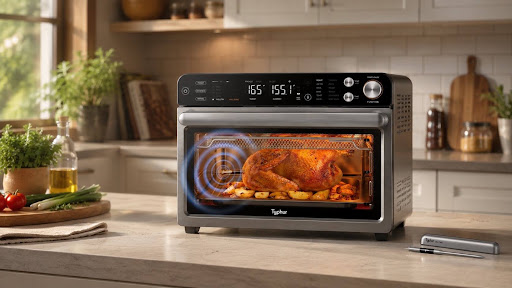
At the center of this approach are wireless meat thermometers, including the Typhur Sync and Sync Gold series. These probes allow cooks to monitor internal food temperature without repeatedly opening the oven, grill, or smoker.
Multi-sensor probe technology helps provide a more complete picture of the temperature inside the food by measuring multiple points along the probe. This is especially useful for larger cuts where the center temperature matters most.
For cooks who prepare protein regularly, this changes the process. Instead of checking food repeatedly or relying on appearance alone, you can set a target temperature and monitor progress with more confidence.
Typhur also brings this concept into smart appliances.
The Typhur Sync Oven and Typhur Sync Air Fryer include built-in wireless probes that help monitor internal temperature during cooking. Rather than stopping based only on a timer, these appliances focus on reaching the desired doneness.
This approach is especially useful for meal prep because consistency matters. Cooking several portions of chicken, steak, or other proteins at once becomes easier when each batch is guided by temperature instead of guesswork.
How to Switch to Temperature-Based Paleo Meal Prep
You do not need to completely change your cooking style. Start by applying temperature-based cooking to the proteins you prepare most often.
1. Choose Your Protein and Season Simply
Paleo meal prep works well with foods that store and reheat easily, such as:
- Chicken thighs or breasts
- Steak
- Pork tenderloin
- Ground beef patties or meatballs
- Salmon and other fish
- Turkey
Simple seasonings are often enough. Salt, pepper, herbs, garlic, olive oil, avocado oil, and spices can add flavor without complicating preparation.
2. Place the Probe Correctly
Insert the probe into the thickest part of the food, avoiding bones or large pockets of fat.
Proper placement helps ensure the temperature reading reflects the area that needs the most cooking.
3. Set Your Temperature Target
Choose a target based on the food you are preparing.
Common examples include:
- Chicken and turkey: 165°F (74°C)
- Ground meats: 160°F (71°C)
- Pork: 145°F (63°C), followed by resting
- Beef steak: around 130–135°F (54–57°C) for medium-rare
- Fish: varies depending on the type and preferred texture
Always follow food safety guidance for the specific food you are preparing.
4. Cook Using Your Preferred Method
Temperature-based cooking works with many methods:
- Oven roasting
- Air frying
- Grilling
- Smoking
The cooking method creates flavor and texture, while temperature helps determine when the food is ready.
With smart appliances like the Sync Oven or Sync Air Fryer, temperature monitoring can be integrated directly into the cooking process.
5. Rest Before Slicing
Resting is an important step that many people skip.
After removing meat from heat, the internal temperature may continue to rise slightly. Resting also allows juices to redistribute, helping the meat stay more tender when sliced and stored.
Why Temperature Cooking Works Well for Weekly Meal Prep
More Consistent Results
Meal prep only works when the food remains enjoyable throughout the week.
A perfectly cooked chicken breast stays more appealing on day three than one that started out dry. Steak slices, pork, and roasted proteins all benefit from better temperature control.
Less Food Waste
When meals do not turn out as expected, people are more likely to leave leftovers unfinished.
More consistent cooking means fewer disappointing meals and less wasted food.
Less Monitoring
Cooking multiple meals at once can already feel like a project.
Temperature monitoring reduces the need to constantly check, cut into food, or guess whether something is ready.
You can focus on preparing vegetables, organizing containers, or spending time with your family while your cooking progress is tracked.
More Freedom With Recipes
Once you understand temperature targets, recipes become easier to adapt.
You can change seasonings, swap proteins, or try different cooking methods without relying on exact timing from someone else’s kitchen.
Tips for Better Temperature-Based Cooking
A few simple habits can make the process even easier:
Understand Your Equipment
Different appliances cook differently. An air fryer uses powerful airflow and often cooks faster than a traditional oven. A grill creates direct heat and different surface temperatures.
Temperature remains the guide, but the cooking method affects the final texture.
Keep Your Probes Clean
Clean and store probes properly after each use. Good maintenance helps ensure accurate readings and longer product life.
Use Resting Time
Small cuts may only need a few minutes of rest, while larger roasts benefit from longer resting periods.
Combine Cooking Methods
For certain foods, combining methods can create better results.
For example:
- Sear meat first for additional browning
- Finish thicker cuts slowly until they reach the target temperature
- Use roasting or air frying for vegetables with better texture
Making Paleo Meal Prep More Reliable
Cooking to temperature does not require completely changing your kitchen or replacing every appliance.
A reliable wireless thermometer can already improve the way you cook. Smart appliances with built-in temperature monitoring take that convenience further by reducing manual checking.
The biggest benefit is not complicated technology. It is confidence.
You know when your food is ready. You know your meals are cooked consistently. And you spend less time worrying about whether dinner will turn out the way you planned.
Paleo meal prep is about building a sustainable routine around quality food. Cooking to temperature helps protect that investment by making sure the ingredients you choose are prepared with better consistency.
Conclusion
For Paleo cooking, where simple ingredients need to deliver maximum flavor and nutrition, precision matters.
Moving beyond timers and learning to cook by temperature can transform meal preparation from a guessing game into a reliable process.
With tools like Typhur’s wireless thermometers, Sync Oven, and Sync Air Fryer, temperature-based cooking becomes easier to apply in everyday kitchens.
Better ingredients deserve better control—and cooking to the right temperature is one of the simplest ways to achieve better results.
Want to unlock greater wellness?
Listen to our friends over at the Wellness + Wisdom Podcast to unlock your best self with Dr. John Lieurance; Founder of MitoZen; creators of the ZEN Spray and Lumetol Blue™ Bars with Methylene Blue.
Comments are closed, but trackbacks and pingbacks are open.