
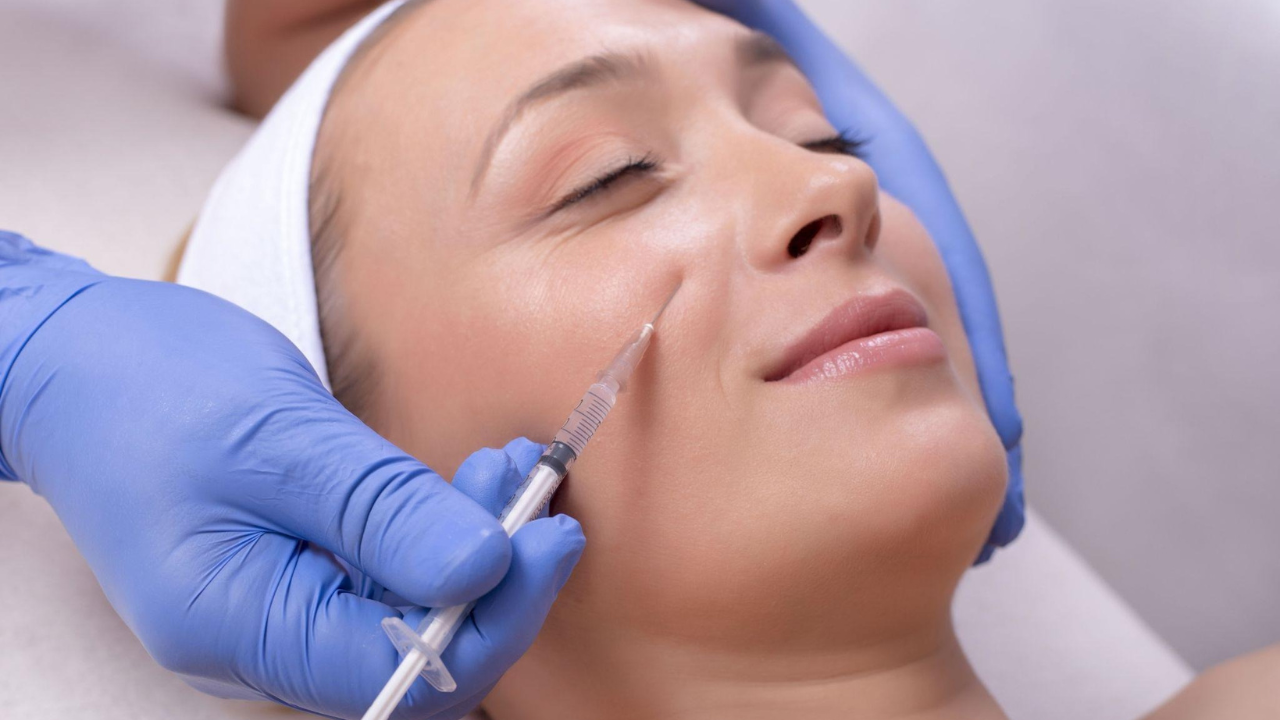
Healthy aging is often associated with eating well, exercising regularly, managing stress, and getting enough sleep. While these lifestyle habits remain the foundation of long-term wellness, many people also choose minimally invasive aesthetic treatments to maintain a refreshed, natural appearance as they age. When performed responsibly, cosmetic injectables can complement overall health by supporting facial harmony rather than creating dramatic changes.
As demand for aesthetic procedures continues to grow, healthcare professionals need more than technical skill to deliver consistent outcomes. Training through anInjector Training Academy can help licensed clinicians strengthen their understanding of facial anatomy, patient assessment, injection techniques, and safety considerations. This type of education plays an important role in supporting informed clinical decision-making and promoting safe, natural-looking treatment outcomes.
Healthy Aging Is More Than Lifestyle Choices
Healthy aging focuses on maintaining physical health, mental well-being, and quality of life throughout the aging process. Modern aesthetic medicine has become part of that conversation because it offers minimally invasive options that can soften visible signs of aging without surgery.
Research suggests that non-surgical cosmetic procedures continue to increase worldwide as patients seek treatments with shorter recovery times and natural outcomes. At the same time, studies emphasize that successful aesthetic care depends on proper patient evaluation, individualized treatment planning, and evidence-based clinical practice.
Rather than attempting to reverse aging completely, today’s best providers aim to preserve facial balance, restore volume where appropriate, and maintain each patient’s unique features.
Why Natural Results Matter
Patients increasingly prefer treatments that:
- Preserve facial expressions
- Maintain balanced facial proportions
- Avoid an overfilled or frozen appearance
- Support long-term facial health
- Produce gradual, subtle improvements
This philosophy requires significant clinical judgment that goes far beyond learning where to place an injection.
Why Professional Injector Training Matters
Injectable treatments involve medications and medical devices that directly affect facial muscles and soft tissues. Even small differences in injection depth, placement, or dosage can influence both cosmetic outcomes and patient safety.
Professional education helps clinicians understand:
- Detailed facial anatomy
- Age-related structural changes
- Vascular anatomy and risk zones
- Patient consultation techniques
- Individualized treatment planning
- Complication prevention and management
Hands-on training also allows providers to practice proper techniques under experienced supervision before independently treating patients.
Real-World Example
Consider two patients with similar forehead wrinkles.
One patient may benefit from conservative wrinkle relaxation alone. Another may have underlying volume loss that contributes to the appearance of aging. Without proper assessment, applying the same treatment plan to both patients could lead to less natural results.
Professional education teaches clinicians how to evaluate these differences instead of relying on a one-size-fits-all approach.
Key Insights
- Healthy aging combines wellness with individualized aesthetic care.
- Natural-looking results require careful facial assessment.
- Anatomy knowledge improves treatment precision.
- Continuing education strengthens patient safety.
- Evidence-based practice builds long-term patient trust.
How Long Does It Take to Become a Certified Injector?
The answer depends on a provider’s existing medical background and local licensing requirements.
Licensed healthcare professionals such as physicians, registered nurses, nurse practitioners, physician assistants, and dentists often begin with foundational aesthetic education before progressing to advanced injectable techniques.
Training usually includes:
- Classroom instruction
- Facial anatomy education
- Patient assessment
- Hands-on clinical practice
- Safety protocols
- Supervised injection experience
Many clinicians continue expanding their knowledge through advanced workshops and continuing education throughout their careers.
Those searching for an injector training academy near me should evaluate programs based on curriculum quality, instructor experience, supervised practice opportunities, and commitment to evidence-based education rather than convenience alone.
What Certification Do You Need to Be an Injector?
Certification requirements vary by country, state, or regulatory authority.
In many regions, cosmetic injectables may only be administered by licensed healthcare professionals operating within their professional scope of practice. Completing recognized aesthetic education demonstrates additional competency but does not replace medical licensing requirements.
High-quality training programs generally emphasize:
- Patient selection
- Facial assessment
- Injection safety
- Ethical practice
- Anatomy mastery
- Complication recognition
- Ongoing professional development
Healthcare providers looking for the best nurse injector training often prioritize programs that combine scientific education with extensive supervised clinical experience.
How Much Money Can I Make Injecting Botox?
Income varies considerably depending on several factors, including:
- Geographic location
- Clinical experience
- Patient demand
- Practice setting
- Additional aesthetic services offered
- Business model
Industry reports indicate that the global medical aesthetics market continues to expand steadily, creating growing opportunities for qualified healthcare providers. However, financial success depends on clinical competence, patient satisfaction, and ethical practice rather than injectable services alone.
Experienced clinicians who consistently deliver safe, natural-looking outcomes often build strong patient loyalty and referral networks over time.
It is important to remember that long-term success is built on education, clinical judgment, and patient trust instead of procedure volume.
How Much Does Botox School Cost?
The injector training academy cost varies depending on several factors, including program length, curriculum depth, hands-on training opportunities, faculty expertise, and continuing education resources.
Entry-level education typically includes:
- Anatomy instruction
- Injection techniques
- Live demonstrations
- Hands-on practice
- Safety training
- Patient consultation methods
More advanced programs may include additional instruction in facial balancing, complication management, advanced injectables, and business development.
When evaluating cosmetic injector training near me, healthcare professionals should compare educational quality instead of focusing only on tuition costs. Comprehensive education often provides greater long-term value by strengthening clinical confidence and patient outcomes.
Evidence Supports Ongoing Education
Medical aesthetics continues to evolve as new techniques, products, and safety recommendations emerge.
Research consistently supports continuing professional development because it helps clinicians:
- Improve treatment planning
- Reduce procedural complications
- Stay current with clinical guidelines
- Strengthen patient communication
- Adapt to evolving best practices
Minimally invasive cosmetic procedures have continued to grow globally in recent years, reflecting increasing patient demand for evidence-based aesthetic care. As these treatments become more common, a thorough understanding of facial anatomy remains essential for safe injection practice.
Practical Steps for Healthcare Professionals
If you are considering adding aesthetic medicine to your clinical practice:
- Verify local licensing requirements.
- Build a strong foundation in facial anatomy.
- Choose evidence-based education with supervised practice.
- Continue learning through advanced training.
- Prioritize patient safety over treatment volume.
- Develop individualized treatment plans for every patient.
Limitations to Consider
While aesthetic treatments can support healthy aging, they also have important limitations.
- Results vary between individuals.
- Treatments require ongoing maintenance.
- Not every patient is an appropriate candidate.
- Expectations must remain realistic.
- Comprehensive consultation is essential before treatment.
These considerations reinforce why proper education remains central to responsible aesthetic practice.
Conclusion
Healthy aging is not about chasing perfection. It is about helping individuals feel confident while preserving their natural features through thoughtful, evidence-based care.
Professional injector education gives healthcare providers the knowledge to assess patients carefully, understand complex facial anatomy, perform treatments safely, and continue improving throughout their careers. As aesthetic medicine continues to evolve, lifelong learning remains one of the most valuable investments a clinician can make because the safest, most natural-looking results begin with sound clinical judgment. After all, lasting confidence is built not only on the treatments we provide, but on the knowledge and responsibility behind every decision.
Want to unlock greater wellness?
Listen to our friends over at the Wellness + Wisdom Podcast to unlock your best self with Dr. John Lieurance; Founder of MitoZen; creators of the ZEN Spray and Lumetol Blue™ Bars with Methylene Blue.
Comments are closed, but trackbacks and pingbacks are open.