

Good morning. You’re reading the Up First newsletter. Subscribe here to get it delivered to your inbox, and listen to the Up First podcast for all the news you need to start your day.
Today’s top stories
North Carolina Republican Congressional candidates, State Rep. Jennifer Balkcom and Laurie Buckhout (R) are embraced by President Trump during an election rally on October 20, 2026 in Greenville, North Carolina. Buckhout is running in North Carolina’s 1st District which was redrawn to heavily favor Republicans and is now a toss-up.
Anna Moneymaker/Getty Images
hide caption
Anna Moneymaker/Getty Images
Republicans had a plan to keep control of the House in the midterms: Redraw congressional district lines to favor the GOP and avoid the historical pattern of heavy midterm losses. President Trump began pressuring Republican-led states to do just that last year, but it isn’t working out as expected. Republicans could now be spending millions of dollars on House seats that were supposed to be easy wins, and end up losing anyway. Of the 15 districts drawn specifically to favor Republicans, only five are rated by the Cook Political Report as either likely or solid Republican. Most are toss-ups or lean toward a Democratic win.
- 🎧 One reason the Republicans’ redistricting push hasn’t been as successful as expected is that some district lines were drawn based on the 2024 Trump electorate, NPR’s Tamara Keith tells Up First. Since then, his support has weakened, particularly among young and Latino voters. Several Democratic incumbents targeted by redistricting have stuck it out to fight for their seats. A Republican strategist involved with midterm races, but who wasn’t authorized to speak publicly, pushed back on the characterization that redistricting didn’t work, saying that it “creates new battlefields” but doesn’t “create outcomes.”
- ➡️ The NPR App has all of NPR’s election coverage in one place — from the biggest stories across the country, to the issues that matter close to home. Browse headlines, playlists, podcast episodes, videos and more, all on the 2026 Election tab.
In a stunning political comeback, leftist Luiz Inácio Lula da Silva has won a fourth term in the presidential runoff election in Brazil. Lula defeated Flávio Bolsonaro, son of former far-right President Jair Bolsonaro, by more than 4 million votes. It’s the first time since Brazil restored democracy in 1989 that a candidate who finished second in the first round has gone on to win the presidency.
- 🎧 Lula’s win appears to have put the brake on a right-wing sweep in Latin America, NPR’s Carrie Kahn says. Seven conservative presidents have been elected in the past 18 months. Kahn says one message helped rally voters in the final weeks of Lula’s campaign: that the return of a Bolsonaro to power would be an existential threat to Brazilian democracy.
Large demonstrations against the government continued over the weekend in France, where more than 100,000 people showed up in Paris, and more than 400,000 came out nationwide. What started with students demanding better conditions has grown into a much bigger movement. Unions and public-sector workers have joined, calling for more public spending and protesting growing inequality. Similar protests have erupted across Europe, from Spain to Serbia.
- 🎧 The reasons behind the protests vary, from schools and housing costs to corruption, NPR’s Eleanor Beardsley says. But they have something in common: most are leaderless movements by young people frustrated with the world they’re being left to. In Serbia, crowds celebrated in the streets of Belgrade after a student-led movement known as the “student-list” defeated the party of longtime strongman Aleksandar Vucic in Sunday’s parliamentary elections. The win followed two years of protests over government corruption and lack of accountability.
Healthcare helpline
Oona Zenda/KFF Health News
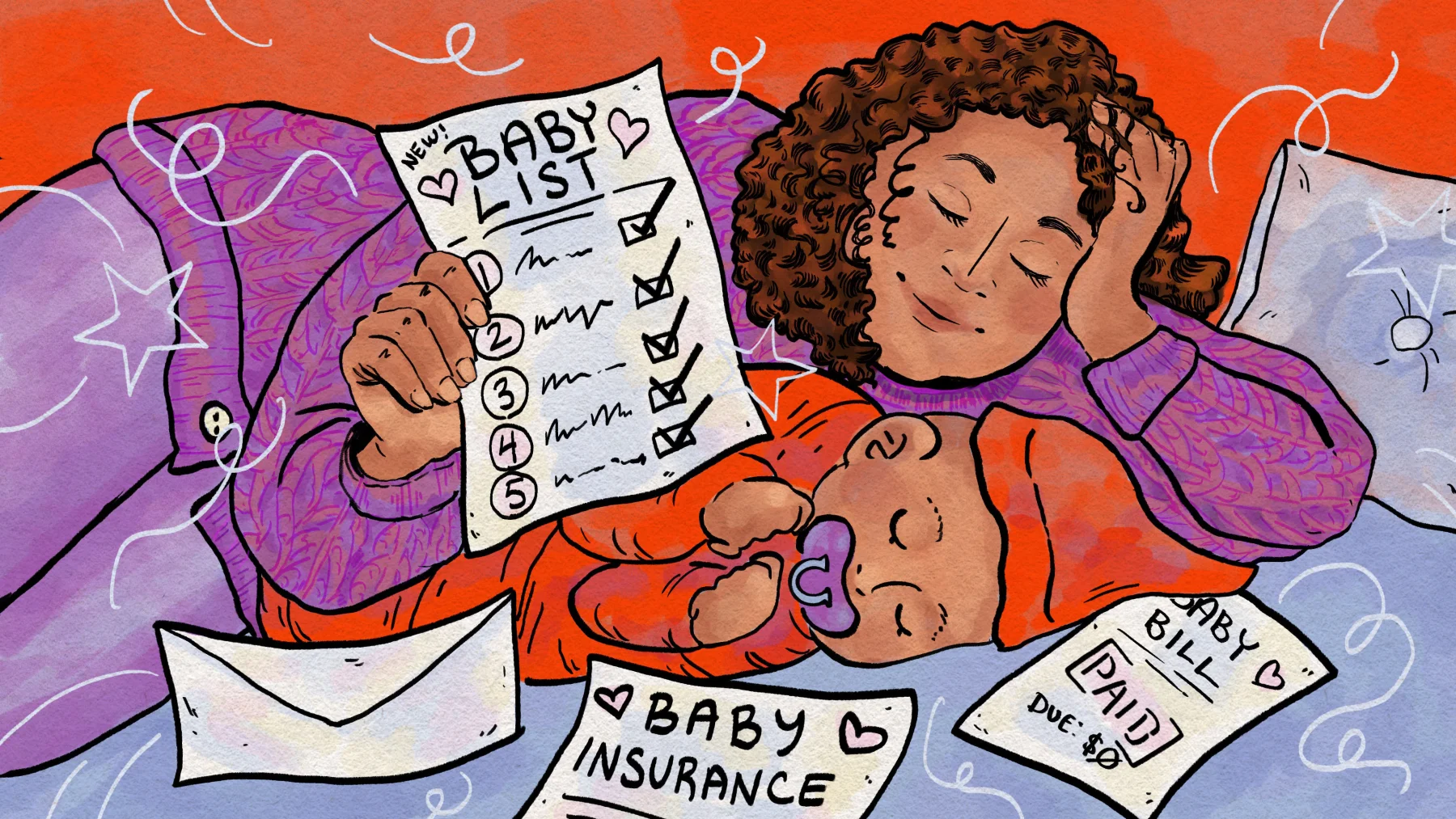
Out-of-pocket maternity expenses are difficult to predict. A federal requirement for insurers to provide personalized cost estimates under the No Surprises Act was supposed to take effect in 2022, but federal regulators haven’t made it happen despite pressure from Congress. Until the cost of maternity care gets more transparent, here are some tips to help you budget for the cost of pregnancy:
- 👶 Enroll your baby in your insurance before your deadline. For most employer health plans, that’s within 30 days of birth.
- 👶 Check what your maximum out-of-pocket expense is. That’s the most you’ll pay each year for covered, in-network expenses before your insurance pays 100% of the costs.
- 👶 Choose in-network providers whenever possible.
- 👶 Go over every bill, and don’t be afraid to appeal errors.
- 👶 Ask your hospital or other providers about financial assistance.
Deep dive
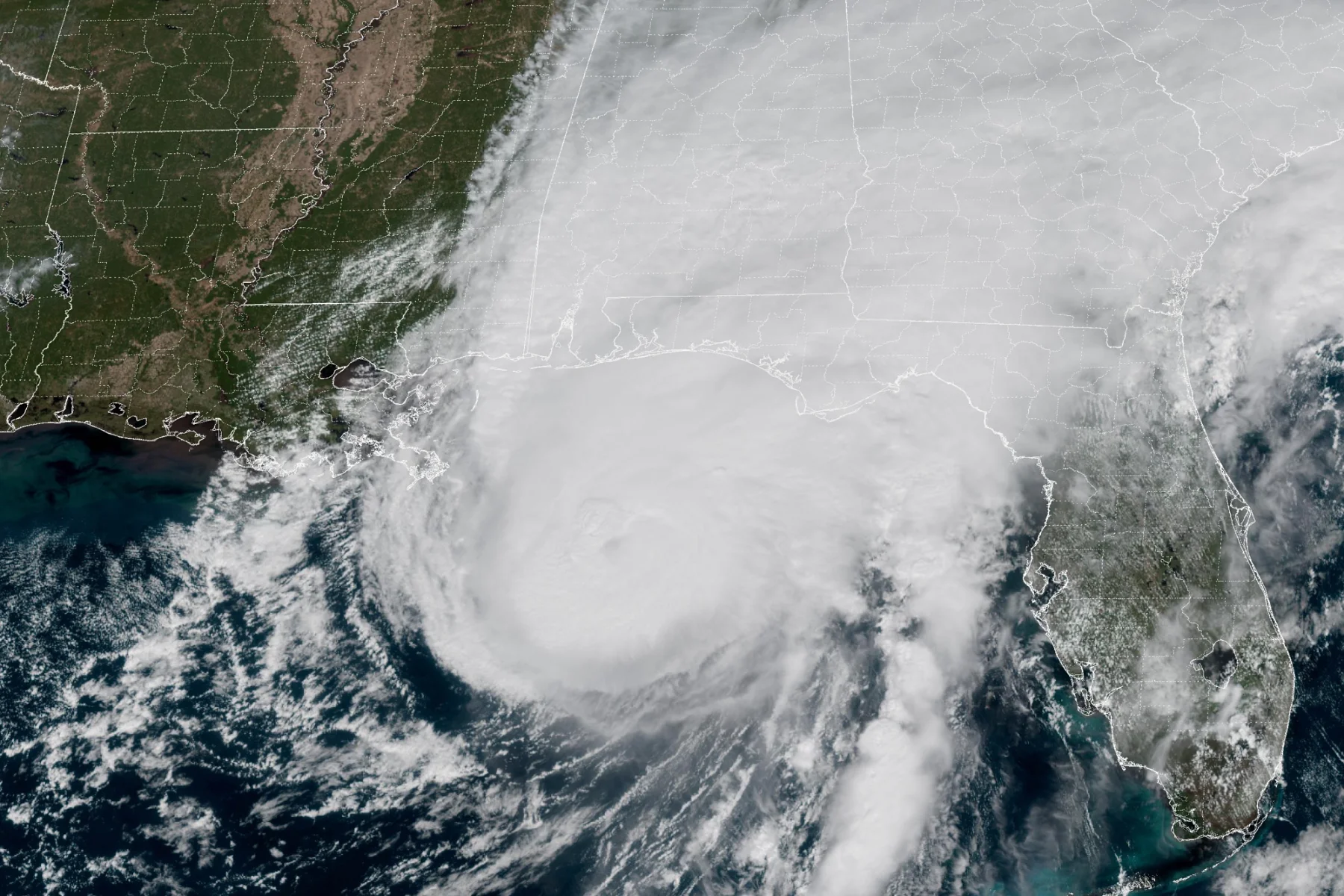
A satellite image provided by the National Oceanic and Atmospheric Administration (NOAA) shows Hurricane Isaias approaching the Gulf Coast of Alabama and Florida on Friday, Oct. 9 2026.
National Oceanic and Atmospheric/National Oceanic and Atmospheric
hide caption
National Oceanic and Atmospheric/National Oceanic and Atmospheric
When Hurricane Isaias made landfall in Destin, Fla., as a Category 2 storm, Google DeepMind’s AI model outperformed the traditional model, correctly predicting it would hit the Florida Panhandle rather than head west toward Louisiana. Hurricane forecasters say they’re increasingly relying on AI technology, and that it’s rapidly transforming the field.
- 🌀 The National Hurricane Center first started incorporating Google DeepMind into its official forecasts last year. By the end of the 2025 Atlantic hurricane season, it was among the best at predicting a storm’s strength and path.
- 🌀 Traditional physics-based prediction models use real-time atmospheric data like temperature, humidity, pressure and wind shear. AI models rely more on history and patterns from analyzing thousands of past storms.
- 🌀 AI models can feel like a black box; meteorologists depend on them but don’t always know why their predictions are correct.
- 🌀 Humans still interpret the results of these models and translate them into clear guidance people can act on.
3 things to know before you go
- The latest edition of NPR’s Breakfast Around the World series takes us to the ancient city of Aleppo in northern Syria, where a sweet semolina pudding called mamounieh evokes memories both bitter and sweet.
- The Centers for Disease Control and Prevention has reported 4,588 confirmed measles cases across the U.S. this year through Oct. 22 — more than double the number for all of 2025. Cases are particularly high in Pennsylvania.
- The general fertility rate for U.S. women fell by 1% to a record low in 2025, according to the CDC. Birth rates declined among women in their 20s but rose among women ages 30 to 45.
This newsletter was edited by Majd Al-Waheidi.