
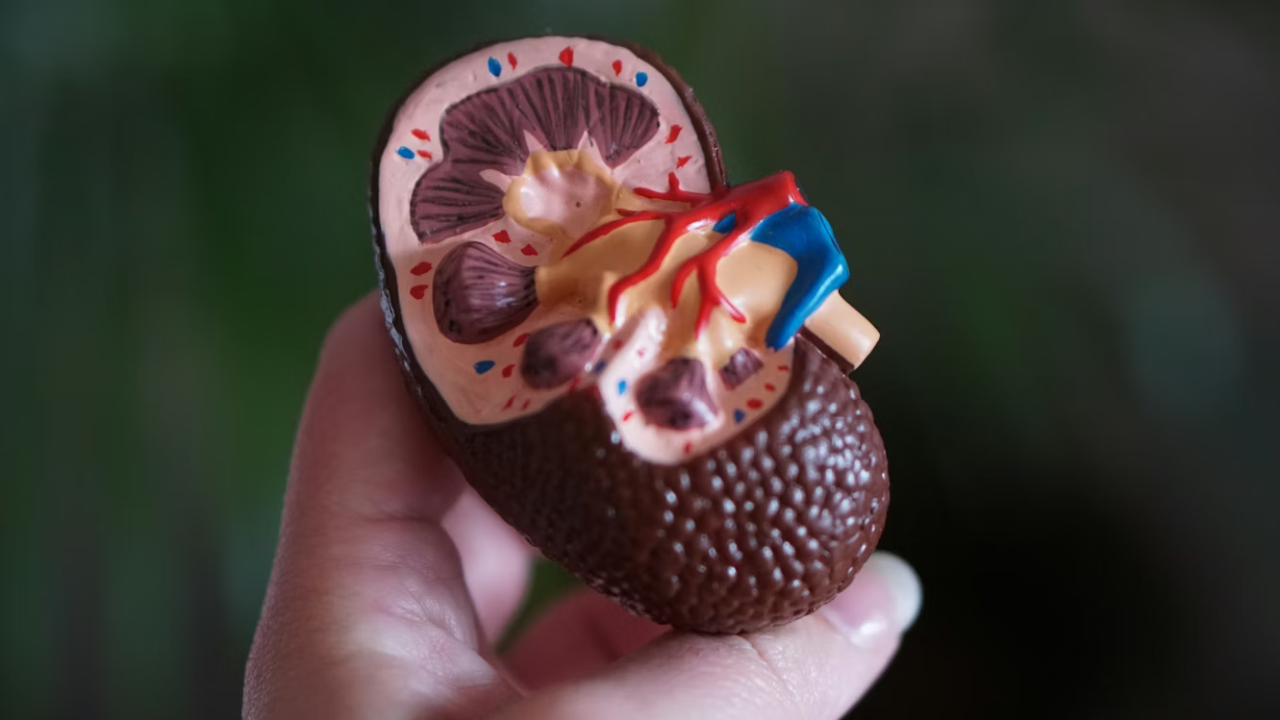
Kidney stones are a common and often painful condition that can disrupt daily life and long term health if not properly managed. Many people turn to reliable resources on kidney stone treatment in Virginia to better understand both medical solutions and preventative strategies that reduce recurrence. While treatment plays a critical role, dietary habits remain among the most effective ways to naturally lower the risk of developing kidney stones. By focusing on nutrient-rich foods and balanced hydration, individuals can support kidney function and reduce the likelihood of stone formation over time.
Hydrating Foods That Support Kidney Function
One of the most important factors in preventing kidney stones is maintaining proper hydration, and certain foods can contribute significantly to fluid intake. Fruits and vegetables with high water content, such as cucumbers, watermelon, and oranges, help dilute substances in the urine that can lead to stone formation. These foods also provide essential vitamins that support overall kidney health.
Incorporating hydrating foods into daily meals can be especially beneficial for individuals who struggle to drink enough water throughout the day. The natural electrolytes found in fruits like citrus can also promote better fluid balance in the body. This combination of hydration and nutrition creates an environment that makes it more difficult for crystals to form in the kidneys.
Calcium Rich Foods and Their Protective Role
Contrary to common belief, calcium-rich foods can actually help prevent certain types of kidney stones when consumed appropriately. Foods such as low-fat dairy, leafy greens, and fortified plant-based options bind with oxalate in the digestive system, reducing the amount that reaches the kidneys. This process helps reduce the risk of calcium oxalate stones, the most common type.
It is important to obtain calcium from food sources rather than excessive supplementation, as natural sources are more effectively absorbed and balanced within the body. When paired with a well-rounded diet, calcium-rich foods help strengthen bones and play a protective role in kidney health. This balanced intake supports long-term wellness without increasing the risk of stone formation.
Citrate Containing Foods That Help Prevent Stones
Citrate is a natural substance that can inhibit the formation of kidney stones by preventing crystals from sticking together. Foods such as lemons, limes, and oranges are excellent sources of citrate and can be easily incorporated into daily routines. Drinking water infused with lemon juice is a simple yet effective way to increase citrate levels.
These foods not only help reduce stone formation but also improve overall urinary health. Regular consumption of citrus fruits can create a more favorable environment in the urinary tract, reducing the likelihood of stone formation. This natural approach complements other dietary strategies and supports kidney function over time.
Low Sodium Choices for Better Kidney Health
High sodium intake can increase calcium excretion in the urine, increasing the risk of kidney stone formation. Choosing low-sodium foods and minimizing processed items can significantly improve kidney health. Whole foods, such as fresh vegetables, lean proteins, and unprocessed grains, are ideal for maintaining a balanced diet.
Reducing sodium intake also supports better blood pressure control, which is closely linked to kidney function. By focusing on natural, minimally processed ingredients, individuals can reduce strain on the kidneys and lower the risk of stone formation. This approach aligns with broader health goals and promotes long-term wellness.
Plant Based Proteins and Balanced Nutrition
Excessive consumption of animal protein can increase uric acid levels and reduce citrate in the urine, both of which are risk factors for kidney stones. Incorporating more plant-based proteins such as beans, lentils, and nuts can help create a more balanced internal environment. These foods provide essential nutrients without placing additional stress on the kidneys.
Plant-based diets also tend to be higher in fiber and beneficial compounds that support overall health. By moderating animal protein intake and including a variety of plant-based options, individuals can reduce the likelihood of stone formation. This balanced nutritional approach supports both kidney health and general well-being.
In conclusion, preventing kidney stones naturally involves a thoughtful combination of hydration, balanced nutrition, and mindful food choices. Hydrating fruits, calcium-rich foods, citrus sources of citrate, low-sodium meals, and plant-based proteins all play a role in creating a kidney-friendly diet. While these strategies can significantly reduce risk, it is equally important to seek professional guidance when needed to address underlying concerns. By combining dietary awareness with appropriate medical care, individuals can take proactive steps to maintain healthy kidney function in the long term.
Want to unlock greater wellness?
Listen to our friends over at the Wellness + Wisdom Podcast to unlock your best self with Dr. John Lieurance; Founder of MitoZen; creators of the ZEN Spray and Lumetol Blue™ Bars with Methylene Blue.
Comments are closed, but trackbacks and pingbacks are open.