

There’s a moment that happens when you’re far from the noise. Your phone signal fades. The trail stretches on. The world feels bigger, quieter, and more real.
Living an active, outdoor lifestyle isn’t about rejecting modern tools; it’s about knowing which ones earn their place. The right tools don’t distract you or pull you out of the moment. They work quietly in the background, supporting movement, freedom, and confidence while you stay fully present.
Whether you’re hiking unfamiliar trails, running solo at sunrise, traveling with your family, or simply spending more time outside, one tool has quietly become part of modern, intentional living: the GPS tracker. Not as a gadget for fear or control, but as a simple layer of preparedness, the kind that lets you explore farther, worry less, and live more fully.
Modern Living, Primitive Values
At its core, the Civilized Caveman mindset is about balance, honoring how we’re meant to live while using modern tools wisely.
- Real food over processed shortcuts. Fueling the body with nourishment that supports strength and energy.
- Movement as a daily habit. Walking, lifting, exploring, and staying physically capable.
- Time outdoors is a priority, not a luxury. Fresh air, open space, and connection to the natural world.
- Self-reliance without isolation. Being capable, prepared, and confident, without doing everything the hard way.
- Modern tools used with intention. Choose tools that support life, not distract from it.
A GPS tracking solution fits naturally into this philosophy.
- It doesn’t replace awareness or common sense
- It doesn’t take away freedom or independence
- It simply adds a quiet layer of preparedness
More confidence, less unnecessary worry, and the freedom to move through the world with calm, capable awareness.
What Is a GPS Tracker?
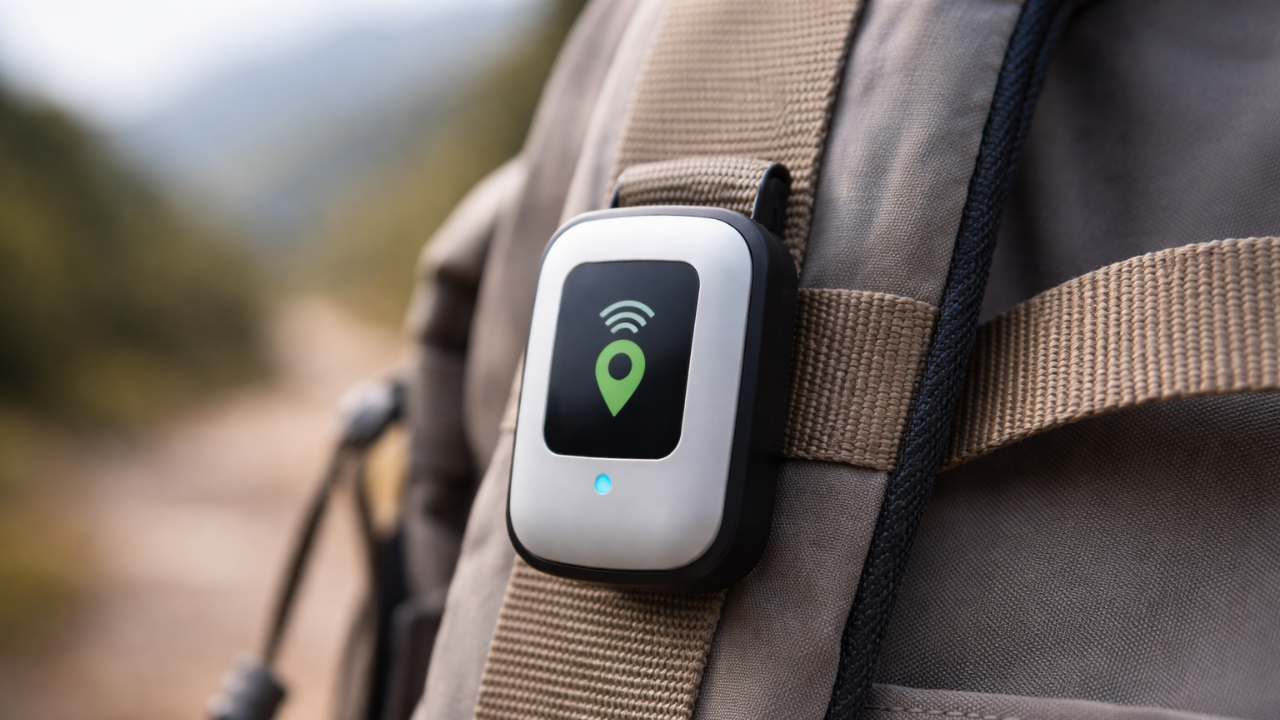
At its simplest, a GPS tracker is a small device that uses satellite signals to pinpoint its location and share it with a connected app or trusted contact.
That’s really all it does, and that’s exactly why it works. Modern GPS trackers are no longer bulky or complicated. Today’s devices are built for real people living real lives:
- Compact and lightweight, easy to carry or wear
- Simple to use, with minimal setup and learning curve
- Designed for people, not fleets, shipping containers, or corporate logistics
Depending on the device, GPS trackers may:
- Share location in real time
- Send periodic check-ins
- Continue working in areas where cell service is weak or unreliable
The key takeaway is this: GPS trackers have evolved into practical, everyday tools. They’re not flashy tech toys or complicated gadgets; they’re quiet, dependable support for people who value movement, freedom, and preparedness.
Why GPS Trackers Make Sense for Active, Outdoor Lifestyles
GPS trackers make sense for active, outdoor lifestyles because they add a quiet layer of safety and preparedness, allowing you to move more freely, explore with confidence, and stay present without relying entirely on your phone.
Safety Without Overthinking It
When you’re hiking a new trail, running solo, or exploring unfamiliar places, safety matters, but not at the expense of freedom. The goal isn’t to wrap life in padding or live in constant caution. It’s to move confidently, knowing you’ve made smart, intentional choices. That’s where GPS trackers fit in.
A GPS tracker provides:
- Location sharing if something goes wrong, without requiring constant check-ins
- Peace of mind for family or loved ones, especially when you’re off the grid
- Reliable backup support when phones lose signal, battery, or focus
The best part? You don’t have to think about it.
You’re not staring at a screen. You’re not tracking every step. The device works quietly in the background, there only when it’s needed. That’s the difference between fear-based tools and practical ones.
More Freedom, Not Less
It may seem counterintuitive, but the right safety tools actually expand your freedom. Knowing that someone can locate you if necessary allows you to:
- Explore new trails with confidence
- Push a little farther on runs or hikes
- Travel more comfortably in unfamiliar places
- Spend more time outdoors without constant messages or check-ins
Instead of restricting movement, GPS trackers remove the mental friction that keeps many people indoors or second-guessing themselves. When the “what if” fades, exploration becomes easier and more enjoyable.
Prepared, Not Paranoid
There’s an important distinction between living in fear and living prepared.
Carrying a first-aid kit doesn’t mean you expect an accident. Wearing proper footwear doesn’t mean you’re fragile. And using a GPS tracker doesn’t mean you’re afraid of the outdoors.
It means you respect reality.
Preparedness isn’t about expecting the worst. It’s about reducing unnecessary risk so you can focus on what actually matters, movement, presence, and enjoying the experience.
A GPS tracker isn’t a crutch. It’s a quiet companion that supports strong, capable living without getting in the way.
Who Benefits Most From GPS Trackers?
GPS trackers aren’t for everyone, and that’s okay. But for people who spend more time moving, exploring, and living outside the usual routines, they can quietly make life easier and safer.
Outdoor Enthusiasts and Fitness-Focused People
If you hike, trail run, bike, or regularly explore beyond well-marked paths, GPS trackers make a lot of sense. They’re especially helpful when:
- You’re in low-signal or remote areas
- You train or explore alone
- You prefer less phone use outdoors and more presence
Instead of pulling your phone out every few minutes to check signal or battery, a GPS tracker works quietly in the background. It doesn’t interfere with the experience. You stay focused on the trail, your breath, your pace, and the environment around you. The safety net is there, but it never steals the moment.
Families With Active Kids
Kids are meant to move. To roam. To explore the world with curiosity and confidence. GPS trackers can give parents peace of mind during:
- Outdoor play and neighborhood adventures
- Bike rides and after-school activities
- Camping trips and family outings
- Busy travel days in unfamiliar places
The goal isn’t constant monitoring or control. It’s knowing that if plans change, someone wanders off, or something unexpected happens, you’re not guessing; you’re informed. That peace of mind often leads to something important: more freedom for kids, not less. When parents feel confident, kids get more space to be kids.
Travelers and Adventurers
Travel, especially to new or unfamiliar places, rarely goes exactly as planned. Phones lose signal. Batteries die. Directions get confusing. A GPS tracker can act as
- A secondary location tool when phones aren’t reliable
- A backup safety option during long days of travel
- A way to stay connected without draining your phone battery
For modern travelers, redundancy isn’t overkill; it’s smart preparation. Having a backup allows you to relax, stay present, and handle small problems before they become big ones.
Not all GPS trackers are created equal. If you’re choosing one for an active, outdoor lifestyle, focus on function over flashy extras. The best devices are designed to support real movement, real environments, and real people.
Key Features to Look For in a GPS Tracker
Not all GPS trackers are created equal. For an active, outdoor lifestyle, focus on function over flashy extras. The best devices are built for real movement, real conditions, and everyday use.
- Long battery life: Look for trackers that last days or weeks, not hours. When you’re far from an outlet, battery life isn’t a bonus, it’s essential.
- Durability and water resistance: A good tracker should handle sweat, rain, dirt, and drops without hesitation.
- Simple setup and app: Easy to use, quick to set up, and reliable without constant adjustments.
- Reliable location updates: Whether real-time or periodic, location data should be accurate and easy to access when it matters.
- Strong signal support: Works in low-signal or remote areas and doesn’t rely entirely on cell service.
- Fair subscription pricing: Clear costs, no surprises, and plans that match your actual needs.
- Comfort and portability: Lightweight, discreet, and easy to forget you’re even carrying it.
A good GPS tracker doesn’t try to impress, it earns its place by being dependable when you need it most.
GPS Trackers vs. Smartphones

Smartphones have become our all-in-one tool. They handle navigation, communication, photos, and entertainment, and most of the time, they work well. But when you step outside cell coverage or spend long hours moving through the outdoors, their limitations start to show.
An active, outdoor lifestyle asks more from your tools. It requires reliability, focus, and simplicity, not constant charging or screen time.
Where Smartphones Fall Short Outdoors
Smartphones are powerful, but they weren’t built specifically for outdoor reliability. They often:
- Drain battery quickly, especially when GPS, apps, and screens stay active
- Lose signal in remote or off-grid areas, leaving you without reliable location data
- Invite distraction, pulling attention away from your surroundings with notifications and alerts
- Struggle with durability, especially in rain, sweat, cold, or rough terrain
- Depend heavily on cell service, which isn’t always available where adventure happens
Where GPS Trackers Shine
GPS trackers don’t replace smartphones, they complement them.
Think of a GPS tracker as a quiet, dependable backup:
- It focuses on one essential task: sharing your location reliably
- It works with minimal interaction, keeping you present and aware
- It conserves battery by avoiding unnecessary features
- It continues working when phones lose signal or power
Instead of asking your phone to do everything, a GPS tracker allows each tool to play its role. The result? Less screen time, fewer distractions, and more confidence to move freely, knowing you have reliable support without being pulled out of the moment.
Less Screen Time, More Presence
One of the biggest benefits of GPS trackers is subtle but important.
They allow you to:
- Stay connected without constantly checking your phone
- Be present while still being reachable
- Spend more time moving and less time scrolling
That aligns perfectly with an active, outdoor-focused lifestyle. Technology doesn’t have to dominate your attention to support your life.
Final Thoughts
Living an active, outdoor lifestyle isn’t about rejecting modern technology, it’s about choosing tools that support freedom, movement, and presence without getting in the way.
GPS trackers do exactly that. They don’t replace awareness, preparation, or common sense. They simply add a quiet layer of reliability when phones fall short and conditions aren’t perfect. For hikers, runners, families, and travelers, that reliability can make the difference between unnecessary worry and confident exploration.
Used intentionally, a GPS tracker isn’t a distraction. It’s a background tool that allows you to stay focused on the trail, the moment, and the experience itself.
Modern tools. Primitive values. Real-world living.
That balance is what makes a GPS tracker a smart companion for an active, outdoor lifestyle.
Frequently Asked Questions
Are GPS trackers worth it for outdoor activities?
Yes. GPS trackers are worth it for outdoor activities because they provide reliable location tracking in situations where smartphones may lose signal, battery, or durability. They add peace of mind without requiring constant attention.
Do GPS trackers work without cell service?
Many GPS trackers can still provide location tracking in areas with limited or no cell service by using satellite signals or hybrid tracking systems. However, some features may depend on cellular networks, so it’s important to check device specifications.
Are GPS trackers better than smartphones for outdoor use?
GPS trackers aren’t better than smartphones, they serve a different purpose. Smartphones are versatile, while GPS trackers focus on reliable location tracking with longer battery life and fewer distractions. Using both together offers the best balance.
How long do GPS trackers last on a single charge?
Battery life varies by device, but many GPS trackers last several days or even weeks on a single charge, especially when using periodic location updates instead of constant real-time tracking.
Are GPS trackers accurate in remote or outdoor environments?
GPS trackers are generally accurate outdoors, especially in open areas. Accuracy can vary depending on terrain, device quality, and signal availability, but most modern trackers are reliable for outdoor use.
Want to unlock greater wellness?
Listen to our friends over at the Wellness + Wisdom Podcast to unlock your best self with Dr. John Lieurance; Founder of MitoZen; creators of the ZEN Spray and Lumetol Blue™ Bars with Methylene Blue.
Comments are closed, but trackbacks and pingbacks are open.