
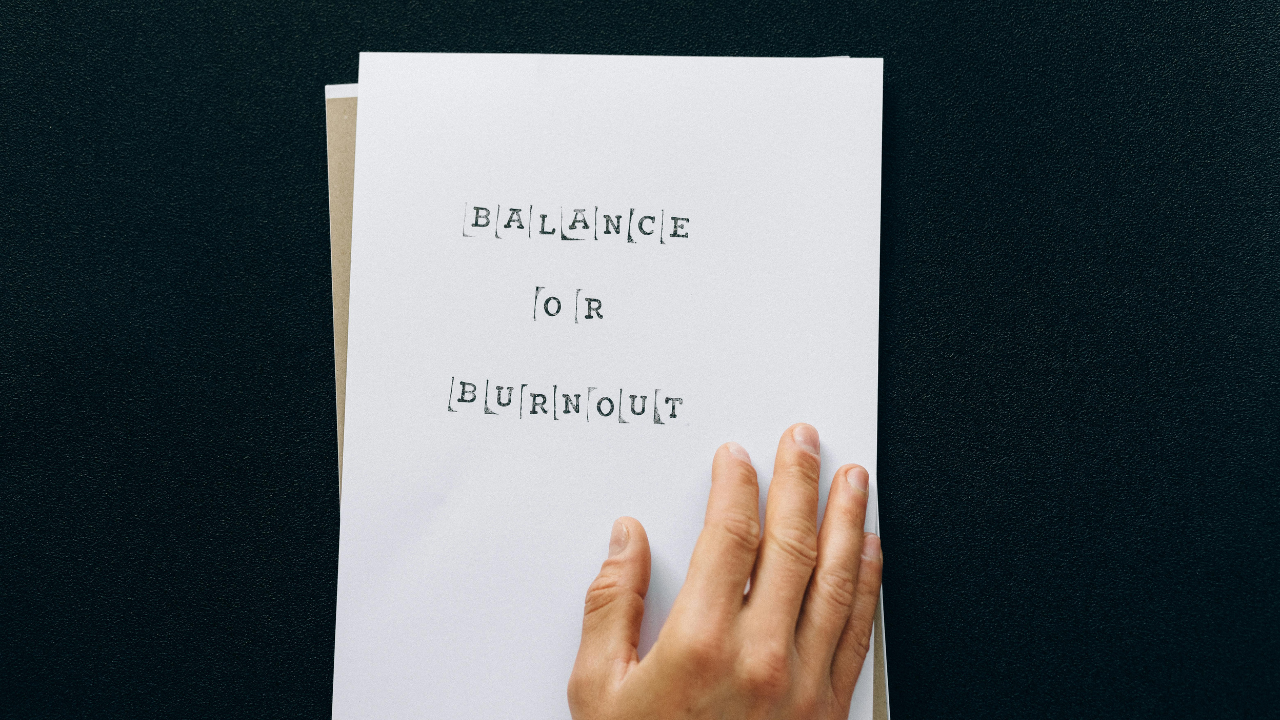
You clean up your eating. You recommit to your workouts. You tell yourself, this is the reset. And for a while, it works. You feel sharper, lighter, more in control. But then the old fog creeps back in. Motivation slips. Discipline feels heavier than it should. And you’re left wondering why all this “doing the right things” still doesn’t feel like enough.
That’s usually the moment people realize this isn’t really about food or fitness at all.
Why You Default to Food and Fitness When Life Feels Off
When something feels wrong internally, you reach for what you can control. Meals. Training plans. Macros. Schedules.
They’re measurable. They respond quickly. And they give you a sense of progress when everything else feels messy.
Food and workouts are also socially approved fixes. Nobody questions a new gym routine. Nobody raises an eyebrow when you cut sugar or start waking up earlier. It looks like self-improvement, even when it’s actually self-soothing.
But here’s the uncomfortable truth: you often lean on diet and exercise not because they’re the root solution, but because they’re safer than asking harder questions. Questions about exhaustion that doesn’t go away. Emotional numbing. Restlessness. Or why you need so much effort just to feel “normal.”
When Willpower Stops Working, and You Need a Deeper Reset
Willpower is useful, until it isn’t. When you’re constantly pushing yourself to “be better,” that effort can mask deeper imbalances instead of fixing them. You white-knuckle habits that should feel supportive. You follow plans perfectly and still feel off.
This is where deeper reset work matters. Not more rules. Not more restriction. But restoring baseline health, physically, mentally, emotionally. For some people, that means addressing stress physiology, burnout, or nervous system overload. For others, it means confronting coping patterns that no amount of clean eating will fix.
This is also where structured support can change the trajectory entirely. Programs like drug rehab at Carlsbad Beach Recovery aren’t about punishment or control; they’re about rebuilding stability from the inside out, so healthy habits stop feeling like survival tactics and start feeling sustainable again.
How Rebuilding Your Baseline Health Changes Every Other Habit
When your baseline improves, everything downstream gets easier. You don’t need to force discipline because clarity replaces chaos. Hunger signals normalize. Sleep becomes restorative instead of shallow. You stop chasing motivation because it shows up on its own.
Habits shift from effortful to intuitive. You move your body because it feels good, not because you’re afraid of slipping backward. You eat well without obsessing, because your system isn’t constantly screaming for relief.
This isn’t about doing less. It’s about doing what actually works.
The Quiet Signs You’re Fixing Symptoms, Not Causes
If your routine feels fragile, like one bad week will unravel everything, that’s information. If your “healthy” habits feel rigid, joyless, or all-or-nothing, that’s information too. Real health isn’t maintained through fear or pressure. It’s maintained through balance and internal regulation.
Sometimes the bravest move isn’t tightening your grip. It’s stepping back and asking what’s really driving the behavior.
The Real Upgrade Isn’t Discipline, It’s Stability
Food and fitness are powerful tools. But they’re not meant to carry the full weight of your wellbeing. When you stop using them as emotional scaffolding and start building a stronger internal foundation, they finally get to do what they’re meant to do: support you, not save you.
And that’s when everything changes, quietly, steadily, and for good.
Want to unlock greater wellness?
Listen to our friends over at the Wellness + Wisdom Podcast to unlock your best self with Dr. John Lieurance; Founder of MitoZen; creators of the ZEN Spray and Lumetol Blue™ Bars with Methylene Blue.
Comments are closed, but trackbacks and pingbacks are open.