
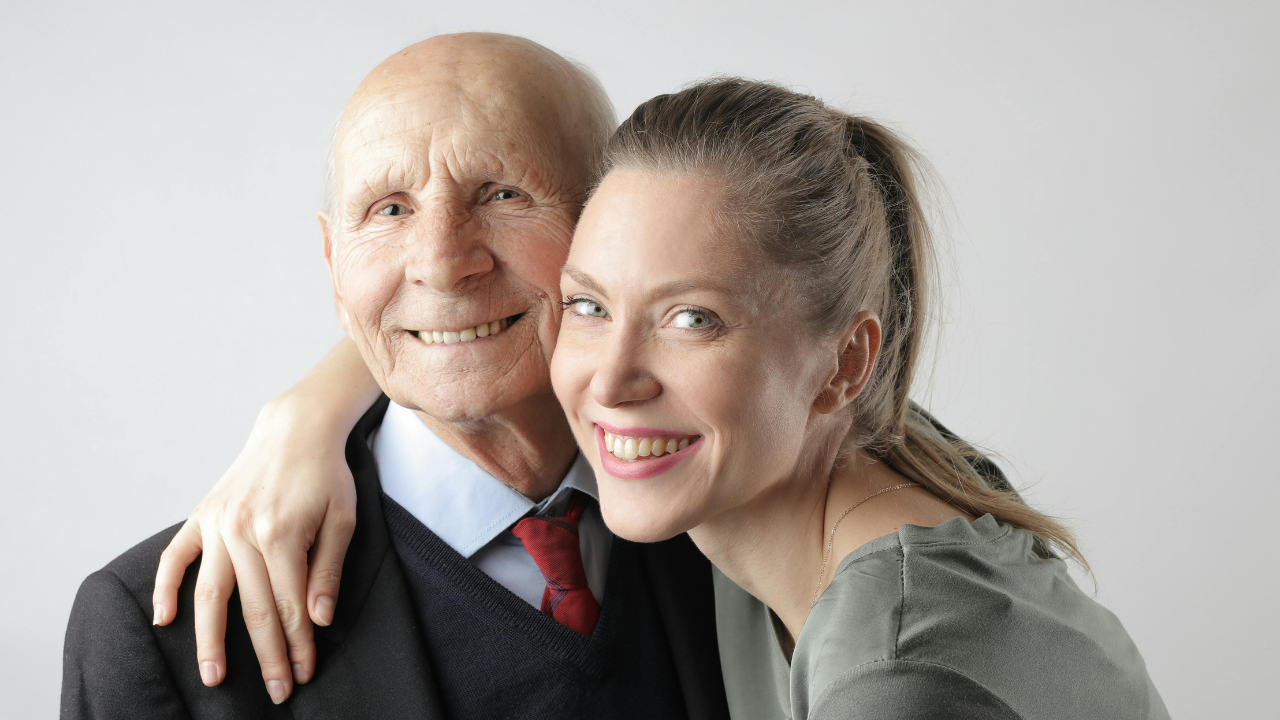
There’s a strong correlation between aging and poorer mental health. Loneliness is a huge issue for senior citizens in the modern world, and in general, many people struggle with a sense of purpose once they’ve retired.
If you have a senior relative who’s suffering from mental health issues, you’re likely wondering what you can do to best support them. Many people don’t like to talk about their feelings, so it can be difficult to get to the bottom of things and help them implement strategies that’ll make them feel better.
To help you help them, in this article, you’ll learn about three important factors that go into supporting your loved one’s mental health, so that they can continue to live a fulfilling life.
1. The Importance of Social Connections
Above all else, it’s critical that your relative continues to socialize. Humans are social animals, and not going out or seeing friends – even if family visits regularly – can be a real problem. People are most happy when they’re around like-minded people and those of their own age – those who can empathise with the struggles associated with where they’re at in their lives.
Even if it’s just meeting a friend for a coffee once a week, it can make a huge difference to their quality of life. Be sure to do your best to encourage your loved one to see their friends, and you could even consider suggesting paid senior and retirement living. These aren’t elderly folks’ homes in the traditional sense, but rather a community focused on building them up (check out Madison Meadows Retirement Community as an example).
2. Nutrition and Exercise Matter
As they say, ‘you are what you eat’, and there’s a lot of truth to that. Good nutrition and a balanced diet can have a profound impact on someone’s mental state, and it’s often the case that as people get older, their fulfilment from cooking diminishes (or they may simply struggle with mobility issues that make the process a chore).
Where you can, ensure they’re eating properly. You could have your relative over for dinner once every few days, for example, or cook them some healthy meals that they can easily reheat in the microwave.
Then, there’s physical activity. Remaining mostly immobile is one of the worst things someone can do for their mental health. Go for walks with them out in nature, or encourage them to join a senior exercise class (this will also be a great way for them to meet new people).
3. The Benefit of Routine
Languishing at home without a solid routine is a fast track for poor mental health, and unfortunately, many senior individuals slip into these habits.
Helping them establish a solid, independent routine with bathing, mealtimes, socializing, and so on helps ground them with structure. Intrusive thoughts are at their worst when just sitting alone, so keeping busy like this gives a much-needed sense of purpose. For example, once someone makes the effort to get out of bed, take a shower, get dressed, and have a coffee, they’ll feel that they want to get out there and do something rather than hang about the house.
Wrapping Up
Instilling good mental health in an elderly relative can be a real challenge, but take things one step at a time, and you’ll help them slowly acclimatize to a better, healthier way of living. Good luck!
Want to unlock greater wellness?
Listen to our friends over at the Wellness + Wisdom Podcast to unlock your best self with Dr. John Lieurance; Founder of MitoZen; creators of the ZEN Spray and Lumetol Blue™ Bars with Methylene Blue.
Comments are closed, but trackbacks and pingbacks are open.