
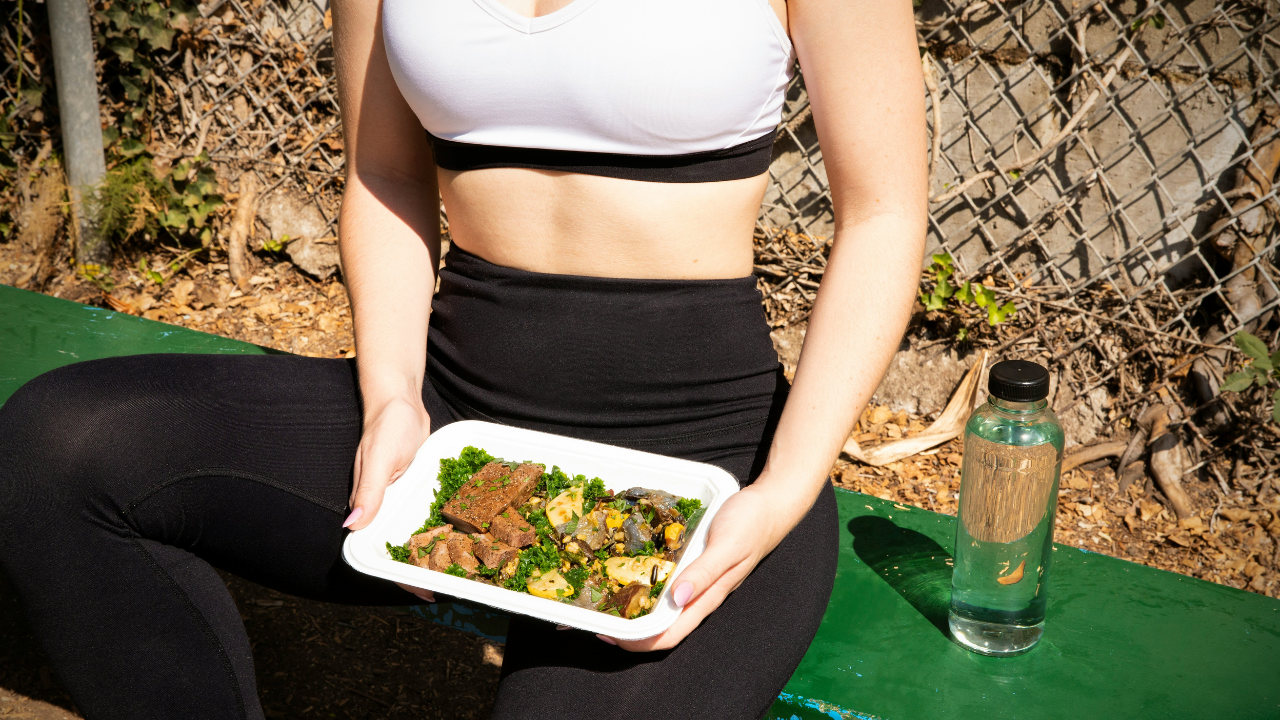
Women who exercise need different nutrition than men. Your body works in unique ways, and eating the right foods can help you build muscle, lose fat, and feel stronger during workouts.
A good diet plan should match your specific fitness goals and support your body’s natural needs as a woman. Generic advice often misses important details about how female bodies use energy and recover from exercise. You need the right balance of protein, carbs, and healthy fats to see real results.
This guide will show you which foods matter most for women’s fitness and how to adjust your eating based on what you want to achieve. You’ll learn practical ways to fuel your workouts and help your body recover so you can reach your goals faster.
Essential Nutrition for Women’s Fitness
Women need specific nutrients in the right amounts to support their fitness goals and overall health. Your body requires a different nutritional approach than men due to hormonal fluctuations, bone density needs, and metabolic differences.
Macronutrient Balance for Active Women
Your body needs three main macronutrients: protein, carbohydrates, and fats. Each plays a unique role in supporting your fitness activities.
Protein helps repair and build muscle tissue after workouts. You should aim for 0.8 to 1.2 grams of protein per pound of body weight if you exercise regularly. Good sources include chicken, fish, eggs, Greek yogurt, and beans.
Carbohydrates fuel your workouts and help you recover. Active women need 45-65% of their daily calories from carbs. Choose whole grains, fruits, vegetables, and legumes over processed options.
Healthy fats support hormone production and help absorb vitamins. Include 20-35% of your calories from fats like avocados, nuts, olive oil, and fatty fish. These fats are especially important for maintaining regular menstrual cycles and bone health.
Micronutrients Vital for Women’s Health
Several vitamins and minerals deserve special attention in your diet. Many women don’t get enough of these key nutrients.
Iron prevents fatigue and supports oxygen delivery to muscles. Women need 18 mg daily before menopause and 8 mg after. Red meat, spinach, and fortified cereals provide iron.
Calcium and Vitamin D work together to maintain bone strength. You need 1,000-1,200 mg of calcium and at least 600-800 IU of vitamin D daily. Dairy products, fortified plant milks, and leafy greens are good calcium sources.
B vitamins help convert food into energy. Focus on getting B12, folate, and B6 through whole grains, eggs, leafy greens, and lean meats. These vitamins also support your nervous system and red blood cell production.
Meal Timing and Nutrient Absorption
When you eat matters just as much as what you eat. Your body processes nutrients differently throughout the day.
Eat a balanced meal 2-3 hours before exercise. This gives your body time to digest and provides steady energy. Include both carbs and protein for best results.
Refuel within 30-60 minutes after your workout. This window is when your muscles absorb nutrients most effectively. A snack with a 3:1 ratio of carbs to protein works well for recovery.
Spread your protein intake throughout the day. Your body can only process about 20-30 grams at once. Eating protein at each meal helps maintain muscle mass better than loading up at dinner.
Hydration Strategies for Optimal Performance
Water makes up about 60% of your body weight and affects every system. You lose more fluids during exercise through sweat and breathing.
Drink 16-20 ounces of water 2-3 hours before working out. Add another 8 ounces 20-30 minutes before you start. This prepares your body for fluid loss.
During exercise, drink 7-10 ounces every 10-20 minutes. For workouts longer than an hour, choose drinks with electrolytes. These replace sodium and potassium lost through sweat.
Your urine color tells you about hydration status. Pale yellow means you’re well-hydrated. Dark yellow or amber signals you need more fluids.
Customizing Diets for Women’s Fitness Goals
Your fitness goals shape what and how much you should eat. A woman training for a marathon needs different nutrition than someone building muscle or losing weight.
Nutrition for Muscle Building
Building muscle requires eating enough protein and calories to support new tissue growth. You need about 0.7 to 1 gram of protein per pound of body weight each day. Good protein sources include chicken, fish, eggs, Greek yogurt, and legumes.
Carbohydrates fuel your strength training sessions. Without enough carbs, your workouts suffer and muscle growth slows down. Focus on options like sweet potatoes, oats, quinoa, and brown rice.
You can’t build muscle in a calorie deficit. Eating 200-300 calories above your maintenance level helps your body create new muscle tissue. Track your food intake for a week to understand your baseline needs.
Timing matters too. Eating protein within two hours after lifting weights supports muscle repair and growth.
Weight Management Strategies
Creating a calorie deficit leads to weight loss, but cutting too much too fast backfires. A deficit of 300-500 calories per day promotes steady fat loss while preserving muscle mass. This typically results in losing 0.5 to 1 pound per week.
Balance your plate with lean proteins, vegetables, and moderate portions of whole grains. Protein keeps you full longer and prevents muscle loss during weight loss. Aim for at least 25-30 grams of protein at each meal.
Swap high-calorie foods for lower-calorie alternatives without sacrificing nutrition. Choose cauliflower rice instead of white rice, or spiralized zucchini instead of pasta. These swaps cut calories while adding more vegetables to your diet.
Track your food for at least a few weeks to understand your eating patterns. This awareness helps you identify where extra calories sneak in.
Healthy Eating for Endurance Sports
Endurance training demands more carbohydrates than other fitness goals. Your muscles rely on stored carbs (glycogen) for sustained activity. Runners, cyclists, and swimmers need 3-5 grams of carbs per pound of body weight daily.
Load up on complex carbohydrates before long training sessions. Oatmeal, whole grain bread, and pasta provide steady energy release. During exercise lasting over 90 minutes, consume 30-60 grams of fast-acting carbs per hour through sports drinks or energy gels.
Iron supports oxygen delivery to working muscles. Women lose iron through menstruation, making adequate intake critical for endurance performance. Include iron-rich foods like lean red meat, spinach, and fortified cereals in your diet.
Hydration affects performance as much as food does. Drink water consistently throughout the day, not just during workouts. Add electrolyte drinks during sessions longer than an hour.
Want to unlock greater wellness?
Listen to our friends over at the Wellness + Wisdom Podcast to unlock your best self with Dr. John Lieurance; Founder of MitoZen; creators of the ZEN Spray and Lumetol Blue™ Bars with Methylene Blue.
Comments are closed, but trackbacks and pingbacks are open.