
Joint injuries can be surprisingly disruptive to your life, even when they seem minor at first. A twist, fall, or sudden movement can affect your mobility, daily routines, and overall comfort almost instantly.
Recovery isn’t always quick, and it often involves a mix of rest, treatment, gradual movement, and patience. Understanding what to expect can help you move through the healing process with more confidence and less frustration. Everyone’s body heals differently, but the general stages of joint recovery follow similar patterns.
Understanding the injury and what your body needs
The first step in recovering from a joint injury is getting a clear understanding of what happened. Joints are complex, and you might not realize how many structures can be affected by one misstep. Sprains, strains, swelling, and limited movement all point to your body’s natural response to protect the injured area.
For example, ankle injuries often cause immediate swelling and tenderness because the ligaments have been stretched or torn. A medical evaluation can help determine the severity and the best treatment plan. Even if the injury feels mild, having guidance early prevents complications later.
The early healing stage requires patience
Rest is one of the most important parts of the process, especially during the first few days. Your body needs time to reduce inflammation and begin repairing soft tissue. This often means elevating the injured area, avoiding unnecessary movement, and applying cold packs as recommended.
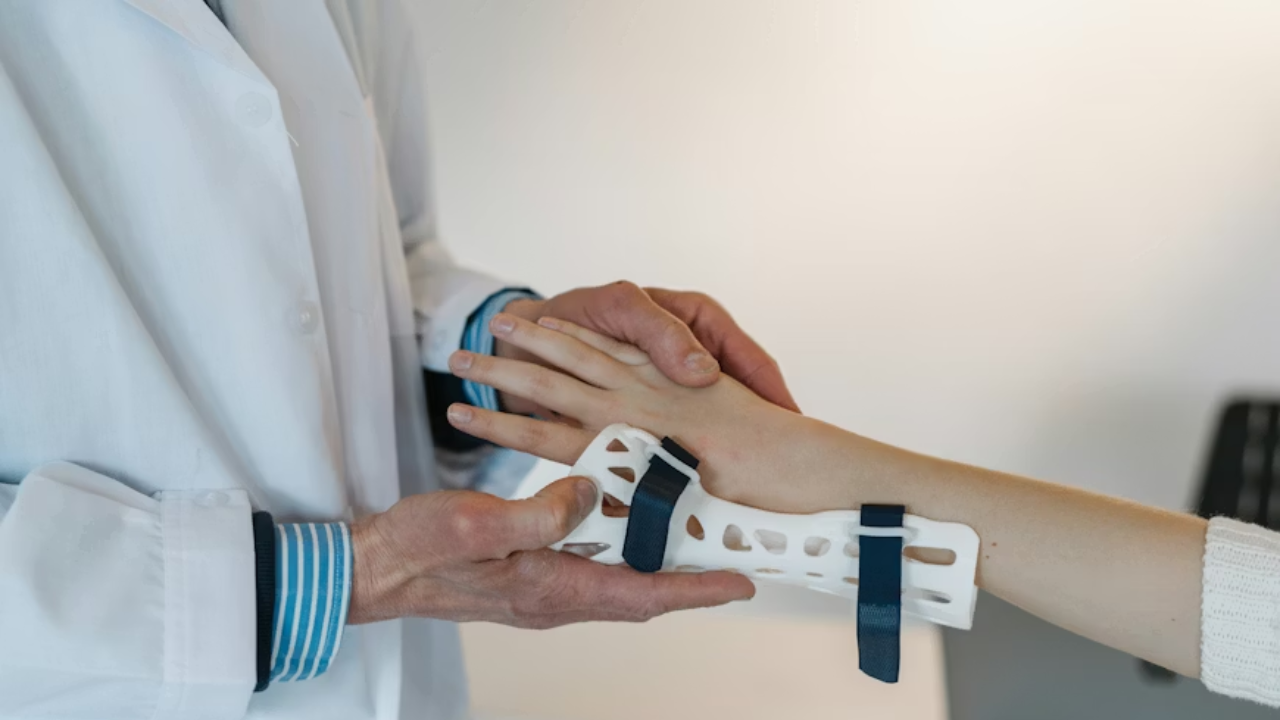
Many people struggle with the idea of slowing down, especially when life feels busy, but rushing this stage usually leads to more discomfort and longer healing times. This is also the stage where support devices like braces, wraps, or crutches may be recommended to keep weight and pressure off the joint.
Gradual movement helps rebuild strength and mobility
Once the swelling and pain begin to improve, it’s important to start making gentle movements. Your doctor or physical therapist may suggest simple exercises to rebuild strength, improve flexibility, and restore range of motion. Every joint heals at its own pace, so these movements should always be controlled and pain-free.
Many people are surprised by how much stiffness can develop during rest, which is why guided movement is so important. Building strength slowly helps prevent reinjury and prepares your joint to handle daily activities again.
Managing the emotional side of recovery
Physical healing is only part of the experience. Many people find that dealing with an injury affects their mood, energy, and confidence. It can be especially frustrating to depend on others for help or feel limited in activities you normally enjoy. Acknowledging these feelings is part of the process, and it’s completely normal to have moments when recovery feels slow or overwhelming.
Staying connected to supportive friends, tracking small improvements, and giving yourself credit for progress all help keep the emotional side of recovery manageable.
Recovering from a joint injury takes time, patience, and the right support. But by understanding each stage and caring for both your body and your mindset, you give yourself the best chance at healing fully and safely.
Want to unlock greater wellness?
Listen to our friends over at the Wellness + Wisdom Podcast to unlock your best self with Dr. John Lieurance; Founder of MitoZen; creators of the ZEN Spray and Lumetol Blue™ Bars with Methylene Blue.
Comments are closed, but trackbacks and pingbacks are open.