
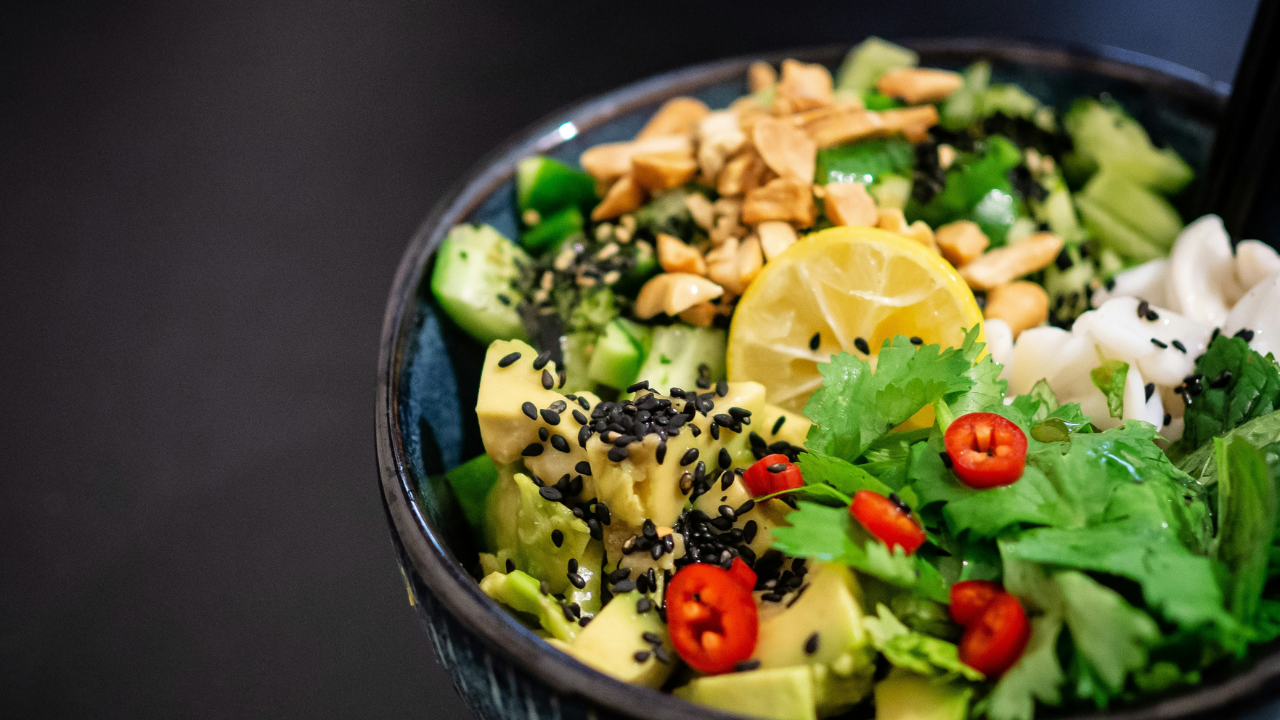
Photo by Yoav Aziz on Unsplash
The ketogenic diet has undeniably changed the conversation around health and weight management, largely because of its powerful effect on blood sugar regulation. By dramatically restricting carbohydrate intake, keto forces the body to switch from burning glucose to burning fat for fuel, producing ketones. This mechanism is incredibly effective, and its principles are built upon the same fundamental idea that drives successful diabetic management: stable blood glucose is the key to lasting health.
However, where the keto community sometimes focuses too heavily on macro percentages or scale fluctuations, the diabetic community operates with a life-or-death level of precision and diligence. For someone managing Type 1 or Type 2 diabetes, nutrition is not just about weight loss, but about preventing immediate and severe health crises. It is this necessary discipline and the long-term focus of diabetic protocols that offer invaluable, often overlooked lessons for anyone pursuing the ketogenic lifestyle for health, rather than just as a quick fix.
The Foundation of Precision: Monitoring and Measurement
The first and arguably most crucial lesson we can take from diabetic nutrition is the absolute necessity of precision and documentation. For a diabetic, knowing exactly how a meal impacts their body is non-negotiable. They track blood glucose levels, analyze insulin responses, and calculate carb grams with meticulous detail. In the keto world, it is far too easy to fall into “lazy keto,” loosely estimating macros and assuming we are in ketosis simply because we feel low-carb.
True optimization, however, requires moving beyond estimation. We should adopt the mindset of testing and measuring. If you are serious about stable blood sugar and leveraging ketosis for therapeutic benefits, knowing your daily glucose and ketone levels—not just guessing—is essential. This level of accuracy starts in the kitchen. When you are planning meals, paying attention to ingredient weights and volumes is vital, especially when recreating complex items. Techniques like accurately cutting recipes in half become critical not just for portion control, but for consistency in nutrient delivery. This commitment to measurement ensures that your dietary inputs are predictable, leading to predictable and optimized health outputs, just as a diabetic must rely on consistent results to manage their condition safely.
Quality Over Quantity: The Dirty Keto Trap

Photo by Kelsey Chance on Unsplash
The second major lesson is a quality check on the food itself. While keto’s most famous maxim is “if it fits your macros,” the diabetic approach strongly advocates for food sources that minimize inflammatory responses, which is often a complication of the condition itself. This emphasis naturally guides them toward whole, unprocessed foods.
The keto movement sometimes encourages consumption of heavily processed items, often labeled as “keto-friendly,” that rely on artificial ingredients, poor-quality vegetable oils, and excessive artificial sweeteners to achieve their low-carb status. This is the definition of “dirty keto.” By contrast, a successful long-term diabetic protocol prioritizes ingredients that are nutrient-dense and supportive of overall metabolic health. This means focusing on clean sources of fat, quality protein, and fiber-rich vegetables that are naturally low in sugar.
When looking at the convenience food market, it is clear that many offerings focus solely on the carb count while neglecting the nutritional value. The diabetic community has long understood the need for truly healthy, convenient options. Seeking out high-quality, whole-food-based snacks for diabetics is a practice the keto community should readily adopt, ensuring that convenience does not come at the expense of metabolic health.
This focus on ingredient quality helps mitigate the underlying inflammatory issues that often contribute to metabolic syndrome in the first place. You are not just lowering your carb count; you are improving the function of your body at a cellular level.
The Long Game: Consistency and Flexibility for Life
Finally, diabetic nutrition teaches us about sustainability, which is the most challenging aspect of any restrictive eating plan. Managing diabetes is not a 90-day challenge; it is a lifetime commitment. This perspective compels patients and doctors to build a diet that is adaptable, realistic, and enjoyable enough to maintain indefinitely.
Keto often suffers from a high burnout rate because it can feel too rigid. Diabetic management, ironically, often requires more discipline, but it also integrates highly structured periods of flexibility. Learning how to incorporate planned exceptions, how to adjust meals while traveling, and how to utilize time saving kitchen tips to avoid panic-eating poorly sourced food are all strategies that support long-term adherence. The key is planning. Diabetics must plan every meal, every injection, and every contingency.
For the keto adherent, this means viewing your diet not as a static set of rules, but as a flexible framework. Learn how to prepare quick, healthy options, like those found in keto-friendly brunch recipes, that can be relied upon when life gets busy. It means knowing how to reintroduce small amounts of certain foods strategically without derailing your progress entirely, a concept often utilized in structured diabetic meal cycling. The most sustainable diet is the one that accounts for real life, not just ideal conditions.
The diabetic nutrition journey is a masterclass in treating food as medicine, using measurement as a tool for control, and prioritizing sustained wellness over short-term results. By adopting their emphasis on empirical data, prioritizing real food sources, and cultivating a long-term, flexible mindset, the keto community can transform a powerful weight-loss diet into an enduring and optimal way of life.
Want to unlock greater wellness?
Listen to our friends over at the Wellness + Wisdom Podcast to unlock your best self with Dr. John Lieurance; Founder of MitoZen; creators of the ZEN Spray and Lumetol Blue™ Bars with Methylene Blue.
Comments are closed, but trackbacks and pingbacks are open.