
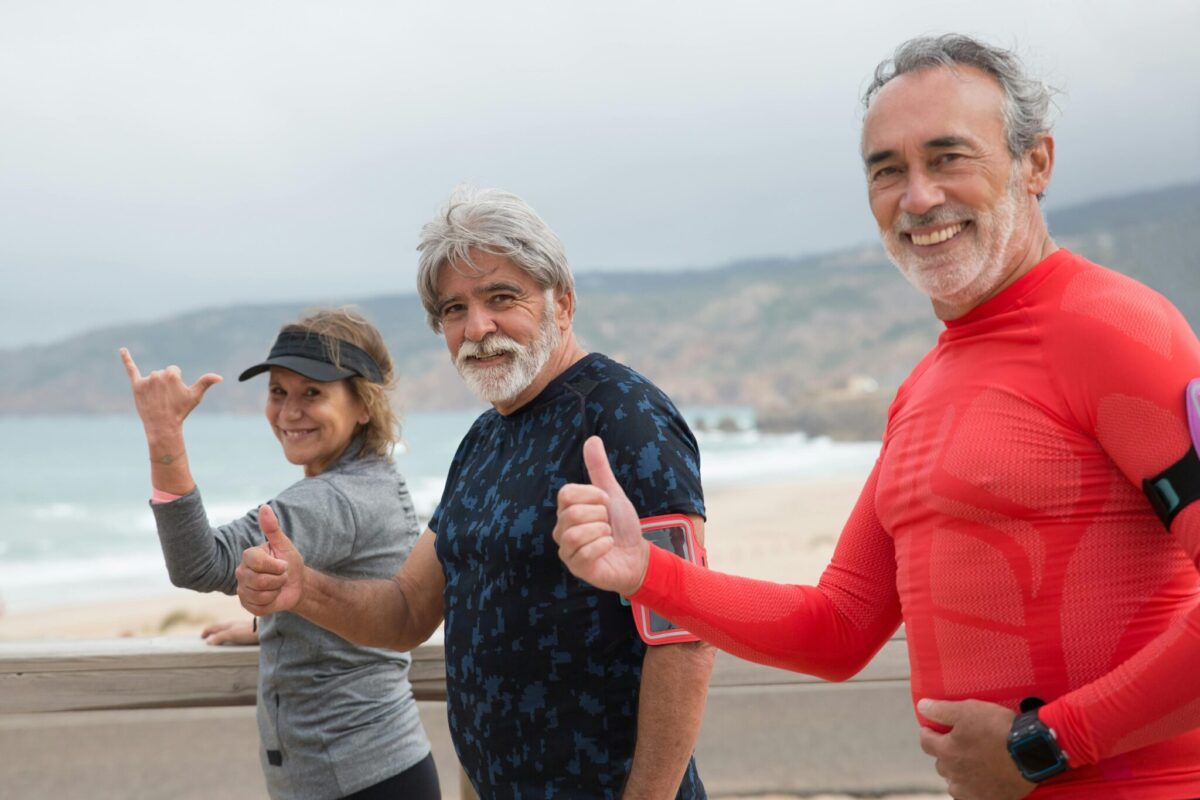
Aging well isn’t just about eating healthy and physical activity (although that is very important). There is a whole other piece that doesn’t get spoken about with the same frequency; that is, having enough security to actually lead the healthy lifestyle you want. For a person who is constantly worried about falling or having a health event without any access to help, it is going to be very hard to focus on wellness.
Most people don’t realize that there is a much deeper connection between safety and wellness. Fear is tremendously limiting. For older adults, often the anxiety of what will happen if something happens with their health may preclude them from doing the very things that promote health. It’s akin to the old joke of “it is a catch-22,” that is, avoiding activity to keep safe ultimately renders a person less safe over time.
The Emotional Benefits of Security
There is something special about knowing that when you need it you’ll have access to help. When people feel safe, they have the freedom to make different choices about how they spend their time, and they are more likely to do go for that walk in the neighborhood, tend to their flowers, and continue their routines for strength and flexibility.
The families of many of the active older adult members for whose families we provide emergency access to help have shared that knowing they have access to assistance systems (e.g., emergency response systems) has eliminated a major psychological barrier to maintaining an active lifestyle. The psychological benefits of “knowing help is just the push of a button away” may be just as significant as the safety of a emergency response plan. Many seniors find that researching options for life alert devices canada and similar emergency response systems provides reassurance that effective help is available when needed.
Research shows that chronic worry and anxiety have real physical health impacts. They can exacerbate inflammation, interrupt sleep, affect appetite and even cause changes in immune function. When legitimate safety concerns are addressed with practical solutions, people often report improvements in general health in surprising ways.
Physical Activity Without Fear
One of the big wellness challenges for aging adults is sustaining regular physical activity, and while exercise is important for bone density, muscle mass, balance and cardiovascular health, the fear of falling or having a medical event while exercising can feel paralyzing.
Once they have a safety net in place, the entire conversation changes. Suddenly, the morning walk feels far less risky. Gardening can go back to being enjoyable rather than anxiety-provoking. Even common tasks around the house can feel less daunting knowing someone is there to back them up.
The ripple effects are striking. Generally speaking, people who feel safe being active sleep better, eat better, and retain higher muscle mass. Their balance improves because they are actually engaging in balance activities, rather than avoiding balance-challenging situations. Social connections may even improve, as previously fearful people are more willing to meet friends for walks, or engage in community events. Exercise physiologists have found that older adults who have emergency response systems are more likely to adhere to activity recommendations than older adults who do not participate in this type of service. They seem to be much more willing to “push” themselves into safe activity levels because the immediate coverage allows them to perform at a higher activity level without fear of safety or vulnerability.
Mental Wellness and Social Connections
Isolation is one of the greatest adversaries to healthy aging, and safety concerns add to social isolation. When a person feels unsafe or vulnerable, they often withdraw from being social. They stop accepting invitations, will not go out alone, and their world becomes as small as what feels safe and manageable.
Emergency response systems can break the cycle of social isolation and restorative confidence to perform activities of daily living. People are more likely to make plans for lunch with a friend, resume being out in the community, and feel secure traveling to visit family. Emergency response systems create a sense of confidence that makes being cautious limiting.
There also can be a family relational component to this system. When adult children feel that they do not need to “worry” about the safety of their aging parent’s every minute of every day, life becomes more enjoyable for everyone. Family members no longer dread that every phone call is really a “health check,” and instead they can enjoy every phone call as an opportunity to enjoy the conversation.
Many older adults report that having access to an emergency response system has improved their quality of life socially with family and friends. Conversations can take on a new level of positivity that are framed around relationships rather than safety or health. They are satisfied that they can take away the burden of worry from family, and no longer create the situation of health or safety for family members, instead they can enjoy conversation and connection. Stress and Sleep Support
Adequate sleep is an important element of healthy aging. However, safety anxiety can substantially interfere with one’s sleep. Those residing alone and are concerned with how they may cope during a medical emergency during sleep will inevitably feel hypervigilant about the potential danger, and often experience difficulty in attaining sufficient sleep time.
Emergency response systems that work 24/7 can significantly improve one’s sleep. Simply knowing help will come quickly if something occurs during the night, allows the individual to enlist their nervous system to rest and/or catch up, instead of remaining in a hypervigilant state.
If someone is getting better sleep, the immune system functions better, the individual will feel better in mood, appetite is more regulated, and cognitive functioning is more stable. Sleep is one of those foundational health behaviors that impacts everything else, so addressing safety anxiety that negatively impacts one’s sleep can lead to improved wellness benefits in overall health.
Managing stress is also easier when the most severe “what if” scenarios are accounted for with the safety plan. Thus, worry about emergencies is replaced with managing stress appropriately, focusing the stress management efforts on things the individual can control.
Wellness Integration and Practice
The best structure is the combination of managing some kind of emergency response plan, in conjunction with some other health promotion strategy, having the safety device allows you to engage more thoroughly with nutrition planning, or exercise planning, engaging in social activities, or preventive healthcare.
Many individuals will find that when they address safety for themselves and/or a loved one living alone, they will increase mental bandwidth to focus on being proactive with their health. They will make medical appointments, be more adherent to medications, or engage in health promoting activities because they are not constantly occupied or distracted from the unknown of safety.
The goal is not to eliminate all risks, and it is not possible anyway. What it’s about is how the important risks of healthy living can be managed, that promotes healthy living, rather than interfere. Safety planning, when done properly, can become a catalyst for wellness or restrict health.
Emergency devices work best when considered as part of a comprehensive approach to healthy aging that considers and includes being physically active, maintaining social connections, eating well, participating in preventive medical care, and using the mind. It is just a useful component of safety along the other parts to achieve and maintain health over time.
Want to unlock greater wellness?
Listen to our friends over at the Wellness + Wisdom Podcast to unlock your best self with Dr. John Lieurance; Founder of MitoZen; creators of the ZEN Spray and Lumetol Blue™ Bars with Methylene Blue.